Eurostat Visits the State Statistical Office
From October 19 to 21, 2026, the State Statistical Office hosted Eurostat’s second annual mission for 2026.
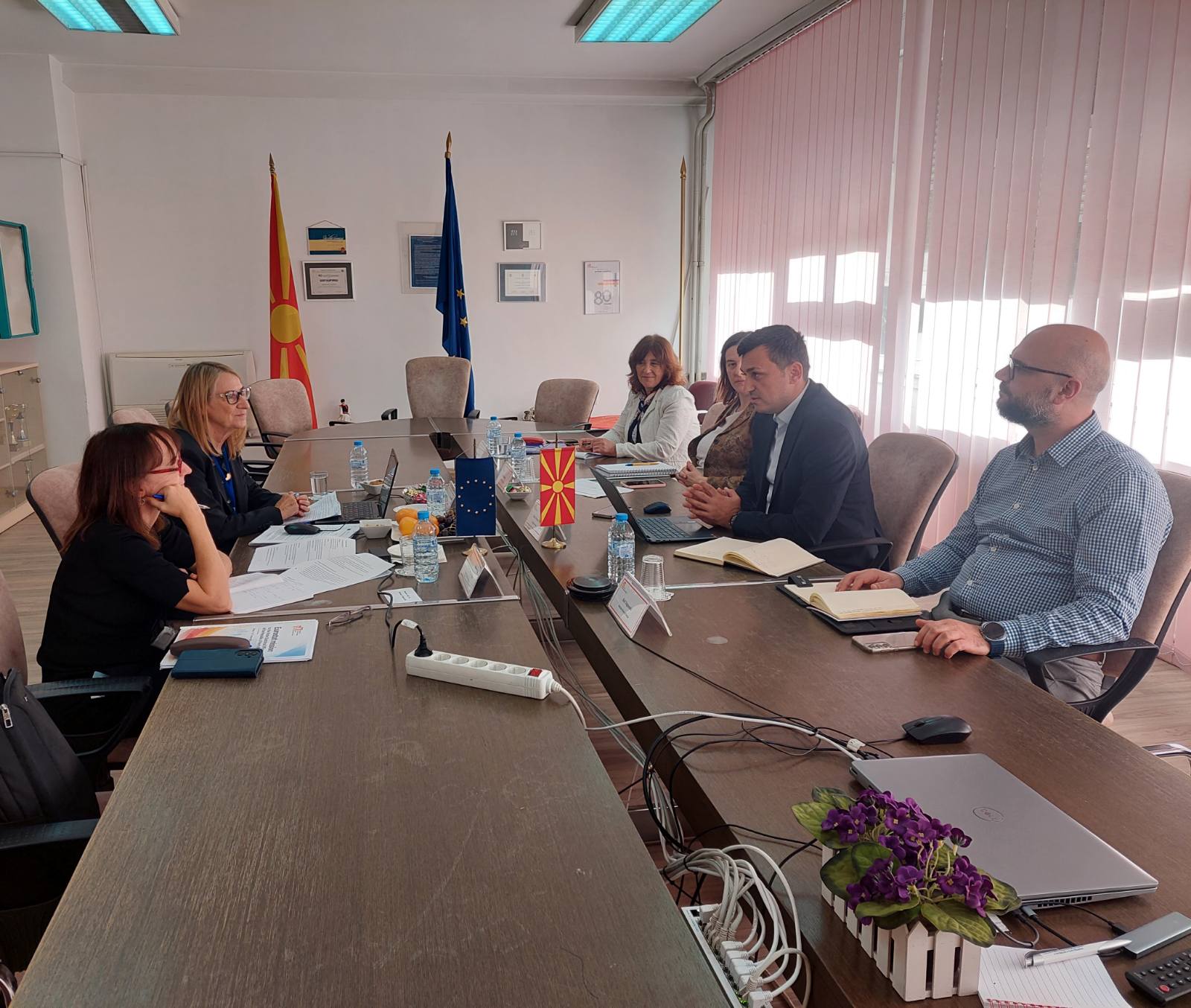
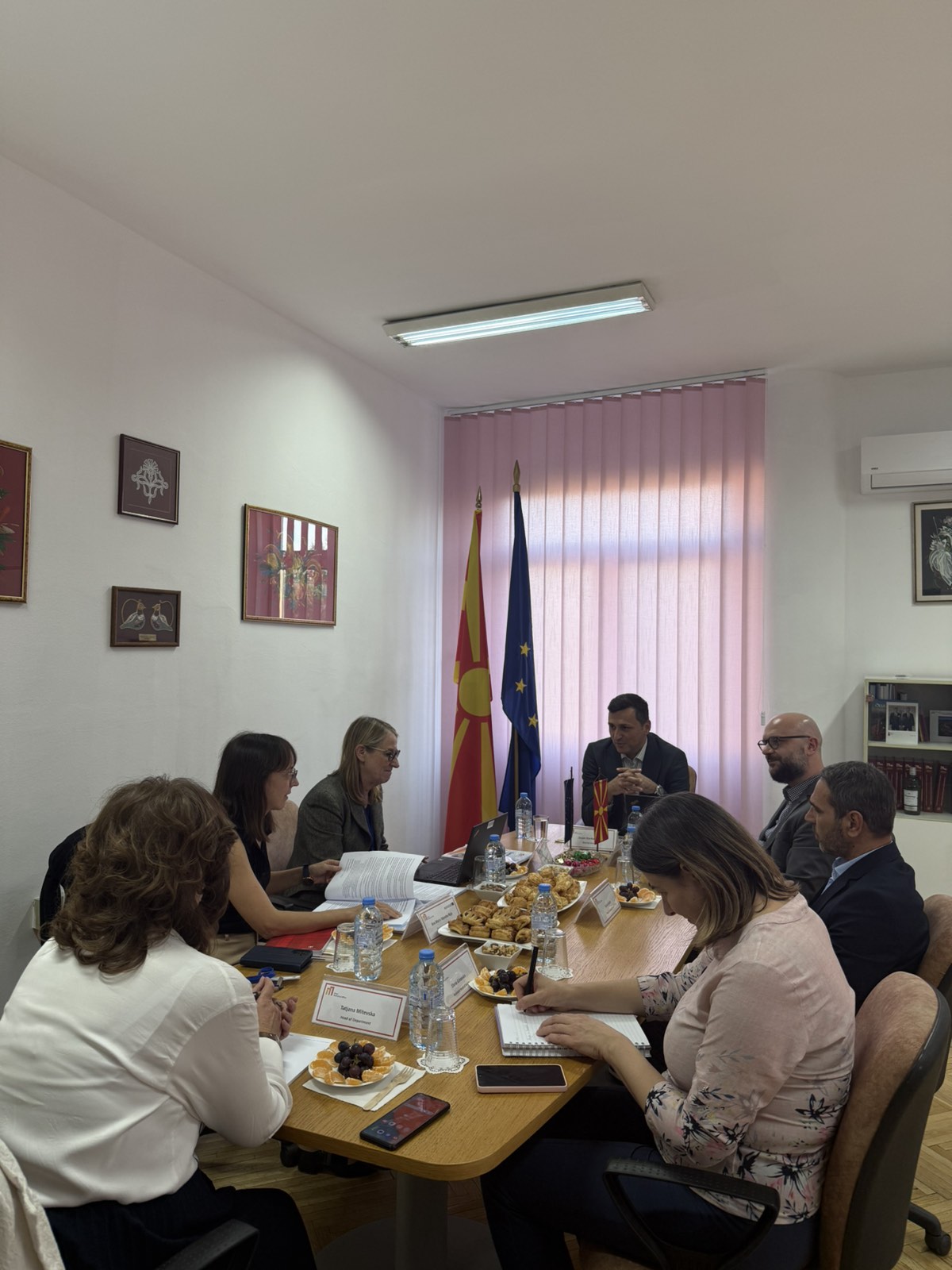
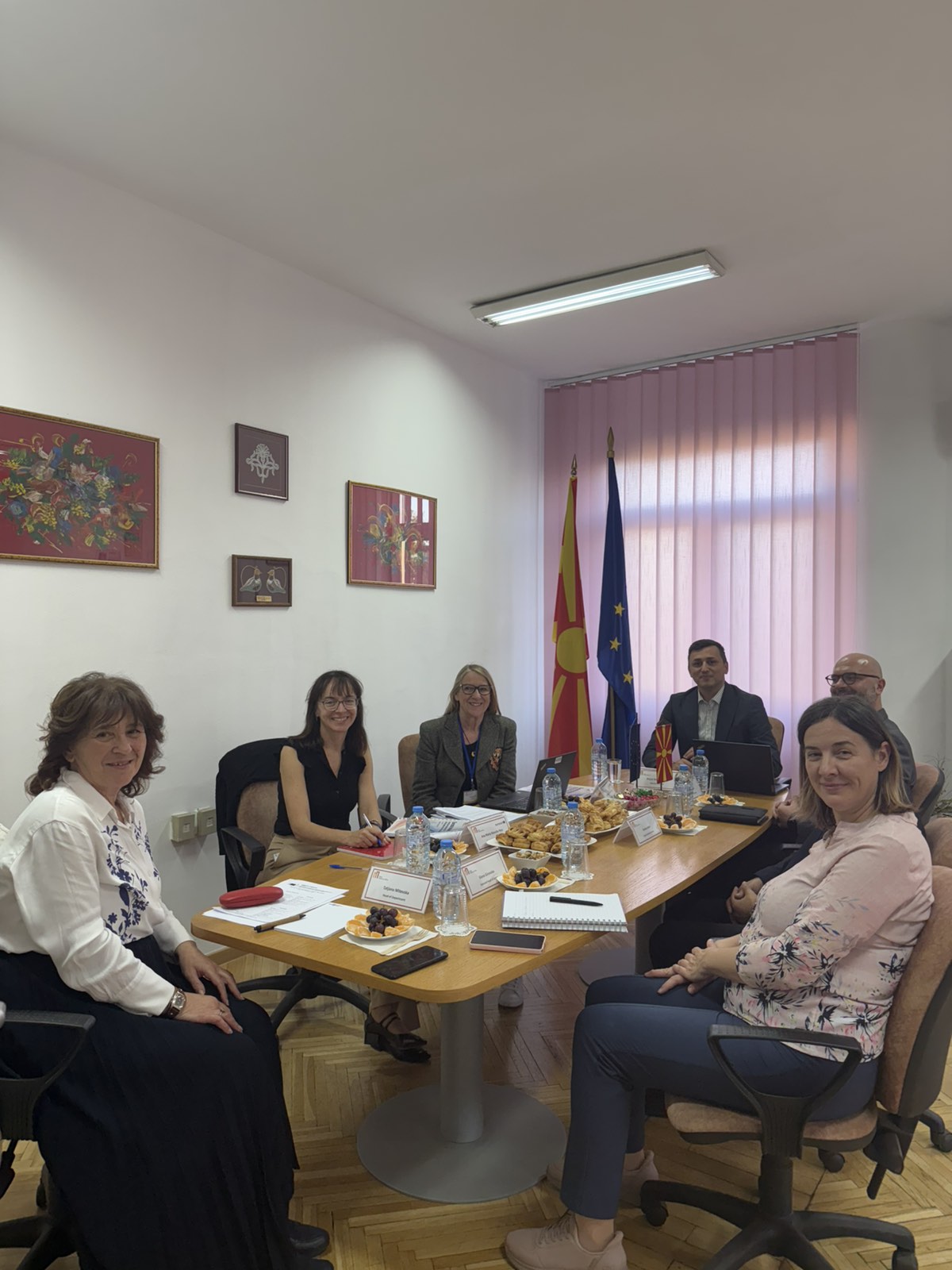
From October 19 to 21, 2026, the State Statistical Office hosted Eurostat’s second annual mission for 2026. The delegation was led by Véronique van der Zande, the official responsible for our country, and Ana Maria Mancho Rojo, the deputy official responsible.
During the visit, Eurostat representatives reviewed the current activities, achievements, and progress made by the State Statistical Office in implementing European statistical standards, as well as the priorities and challenges regarding the further development of official statistics.
As part of the mission, working meetings were held with the management and representatives from various departments of the State Statistical Office. These sessions covered activities across different statistical domains, results achieved, and future plans to enhance statistical processes and data quality.
Representatives from the National Bank and the Ministry of Finance—institutions that are part of the National Statistical System—also participated in some of the meetings. Discussions focused on the exchange of information, inter-institutional coordination, and strengthening cooperation to meet European statistical requirements. Particular attention was paid to the obligations arising from the European Union accession process, alignment with European statistical standards, and the further strengthening of cooperation between the State Statistical Office and Eurostat. The conclusions from the mission represent an important contribution to the preparation of the European Commission’s annual report on the progress of the Republic of North Macedonia regarding Chapter 18 – Statistics.
The second annual mission confirmed the significant progress achieved by the State Statistical Office between February and September 2026. Activities that were in their initial stages in February have since been implemented, while identified challenges have been overcome or transformed into consolidated and functional solutions. It is particularly noteworthy that this progress was achieved amidst limited human and financial resources, a fact that further underscores the State Statistical Office’s commitment, institutional accountability, and autonomy in its processes. The results achieved reflect the institution’s capacity to utilize available resources effectively and ensure continuity in the implementation of reforms, despite existing constraints.
Image Gallery
Related news and announcements
New e-services for higher education promoted on the National E-Services Portal

New electronic forms for faster submission of data on Graduates, Masters and Doctors of Science
02 Apr 2026
The State Statistical Office signed a new collective agreement with the Trade Union of Workers in Administration, Judicial Bodies and Citizens' Associations

Greater rights and higher wages for employees
31 Mar 2026
Fruitful cooperation between the State Statistical Office with the IMF for the development of official statistics

Key macroeconomic indicators, demographic trends and activities within the SDDS Plus framework – the IMF statistical standard were reviewed
23 Mar 2026
A delegation from the State Statistical Office participated in the 57th session of the United Nations Statistical Commission in New York

The meeting brought together the chief statisticians of statistical institutions from 193 countries to discuss key challenges and future directions of the global statistical system
09 Mar 2026
Declaration on Partnership Signed for Formalization of the Informal Economy in North Macedonia

Joint Commitment of institutions to Reduce the Shadow Economy
20 Feb 2026